Istanbul in 2026: What British Travellers Actually Need to Know
If you’ve been watching the news and wondering whether to cancel your Istanbul trip, take a breath. The headlines about the Middle East are alarming, but headlines have a habit of compressing geography in ways that distort reality. Before you make any decisions, it’s worth looking at a map — because distance, in this case, is genuinely reassuring.
The Geography That Matters
Istanbul sits in the far northwest corner of Turkey, straddling Europe and Asia at the Bosphorus Strait. The distance between Istanbul and the Iranian border is approximately 1,200 miles — over 2,000 kilometres. To put that in perspective, the drive from Istanbul to the conflict-adjacent border regions takes well over 17 hours. The city you are planning to visit is, geographically speaking, considerably closer to Vienna than it is to Tehran.

Istanbul itself sits partly in Europe. The western half of Turkey — where the vast majority of tourism takes place — functions independently from the border regions mentioned in government advisories. When you stand on the terrace of the Topkapı Palace looking out over the Bosphorus, you are as far removed from active conflict as most of Western Europe.
What the UK Government Actually Says
The FCDO’s current advice is nuanced — and it’s important to read it carefully rather than reacting to the headline. The FCDO advises against all travel to within 10km of the border with Syria due to fighting and a heightened risk of terrorism. That warning applies to Turkey’s far southeastern provinces — remote regions that no standard tourist itinerary would ever include.
The FCDO continues to advise against all travel within 10km of the Syrian border due to ongoing security concerns. This restriction does not affect the main tourist regions along Turkey’s Mediterranean coast.
Destinations like Antalya, Dalaman, and Istanbul remain open and are not under a blanket “do not visit” warning. Critically, the UK Foreign, Commonwealth and Development Office advises that the vast majority of Turkey, including all popular coastal resorts and major cities, remains entirely safe for British tourists.
What Is Actually Happening on the Ground
The FCDO’s March updates remind travellers that security alerts can change rapidly and that demonstrations or political gatherings may be met with a strong police presence in some urban areas. Holidaymakers flying into Turkey over the coming weeks are being told to allow extra time for airport security.
That’s sensible advice, not a red flag. Extra queuing time at security is the kind of inconvenience that comes with travelling anywhere in a heightened global moment — and Istanbul’s airports, Atatürk and Sabiha Gökçen, remain fully operational.
Turkey is not involved in the conflict and continues to operate normally, with international airports open and tourism services running as usual. Major cities like Istanbul, Izmir, and Antalya are calm, with no disruptions reported.
What About Flight Disruption?
This is a legitimate concern worth monitoring. Airlines sometimes adjust flight paths during regional tension. Routes over eastern Turkey and neighbouring airspace have seen some adjustments, but direct flights from the UK to Istanbul — which travel via European airspace — are largely unaffected. Always check your airline’s app before heading to the airport, and sign up for FCDO email alerts for Turkey so you receive any updates directly.
Your Travel Insurance
This is perhaps the most practical consideration. Most standard travel insurance policies become null and void the moment you travel to a destination where the FCDO has issued advice against “all” or “all but essential” travel. Since no such restriction exists for Istanbul or western Turkey, your standard policy should remain valid — but call your insurer to confirm before you travel, ask them directly whether you are covered given the current FCDO advisory level, and get the answer in writing.
Practical Advice for the Trip Itself
Once you arrive, common sense goes a long way. Avoid any protests or public demonstrations, which can flare up unexpectedly in major cities. Keep a copy of your passport and travel documents separate from the originals. Stay informed through the GOV.UK travel advice page for Turkey, which is updated regularly. Register your trip with the FCDO’s free online service so they can contact you if anything changes while you’re away.
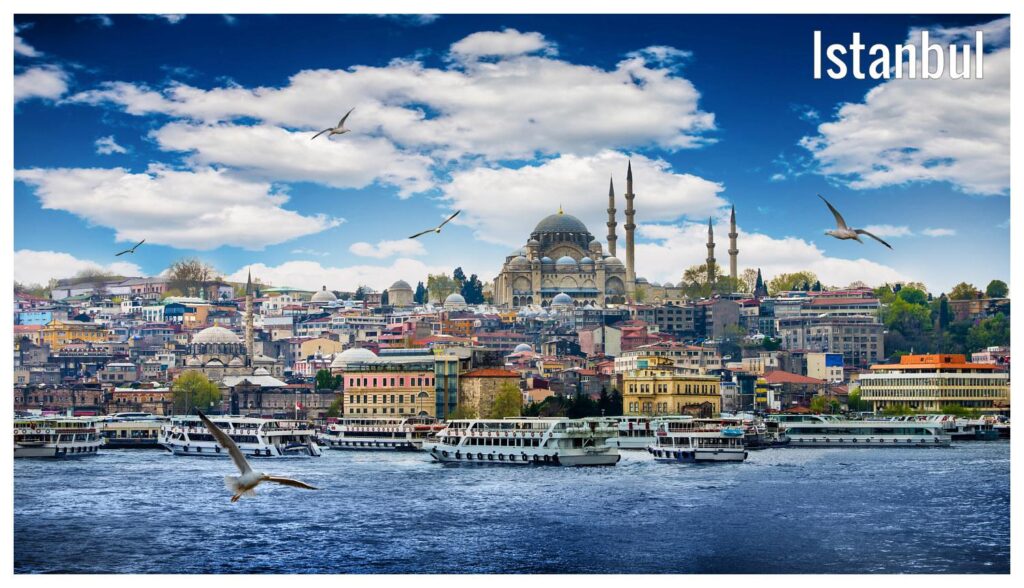
Istanbul is one of the world’s great cities — a place where two continents meet, where Byzantine domes and Ottoman minarets share a skyline, and where the food, the hospitality, and the sheer human energy of the place tend to render any pre-trip anxiety immediately obsolete. The conflict in the Middle East is real and serious. But it is happening a very long way from the Grand Bazaar.